
The allure of risk and reward
The psychology of gambling is deeply entangled with the human instinct to seek out risk and reward. This allure stems from a blend of adrenaline and the possibility of substantial gains. For many, stepping onto the casino floor triggers a surge of excitement that is hard to resist. This thrill plays a crucial role in why people are drawn to gambling in the first place. The anticipation of winning can create a dopamine response, engaging the brain’s reward system and reinforcing the behavior, while many also explore different options, such as a crypto casino no verification UK for seamless play.
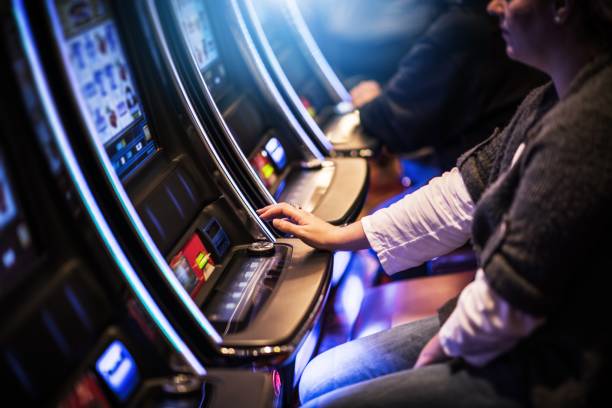
Furthermore, the concept of loss aversion exacerbates this phenomenon. People tend to feel losses more intensely than they feel equivalent gains, leading them to gamble even harder to reclaim lost money. This emotional rollercoaster fosters a cycle of betting as players chase not just wins but the feeling of regaining their losses, making gambling a captivating yet dangerous pursuit.
The role of cognitive biases
Cognitive biases significantly impact gambling behavior, often steering players towards irrational decisions. For example, the “gambler’s fallacy” leads individuals to believe that past events influence the likelihood of future outcomes in games of chance. A player might think that because a certain number hasn’t come up in a while, it is due to appear soon. This misconception can lead to increased betting based on faulty logic rather than statistical reality.
Additionally, “overconfidence bias” plays into gambling strategy as players often overestimate their skill or knowledge about games. This can prompt them to take bigger risks, thinking they have a better chance of winning than they actually do. As a result, strategies based on these biases may lead to larger losses, demonstrating how psychology can distort judgment in the realm of gambling.
Social influence and gambling behavior
The social environment surrounding gambling can also greatly influence strategies. Casino settings are designed to be immersive, often filled with sounds, lights, and social interactions that heighten excitement and encourage participation. When people gamble in groups, peer pressure can affect individual decisions, pushing players to adopt more aggressive or risky strategies that they might not consider when alone.
Moreover, social validation can reinforce gambling behaviors. With friends celebrating wins or sharing losses, individuals may feel motivated to continue gambling as a means of social bonding. This dynamic can lead to a sense of community, but it also carries the risk of escalating gambling habits, as the drive for social acceptance can sometimes overshadow personal limits.
Developing strategies: luck versus skill
Many gamblers believe that strategy can influence outcomes, but the balance between luck and skill varies significantly across different games. In games like poker, skill and psychological tactics are crucial, with players employing strategies to read opponents and manage risk. However, in games like slots or roulette, outcomes are purely based on chance, yet players often develop superstitions or rituals that they believe improve their odds.
This tension between skill-based games and pure chance reflects deeply rooted psychological needs. The desire for control in an uncontrollable environment can lead gamblers to create strategies that satisfy their need for agency, even in scenarios where outcomes are predetermined. Understanding this interplay provides valuable insight into gambling psychology and personal strategy development.

Enhancing English skills with dedicated resources
As we explore the intricate psychology behind casino gambling strategies, it becomes evident that comprehension and communication play significant roles in understanding both the games and the social dynamics involved. For individuals seeking to enhance their English skills within this context, platforms like English-for-students.com offer invaluable resources.
The site provides a structured approach to learning that aids in vocabulary development, grammar comprehension, and practical usage, essential for engaging with the gambling community or discussing strategies articulately. By improving language skills, learners can navigate conversations about gambling with confidence, equipping them for social interactions in various settings, including casinos.